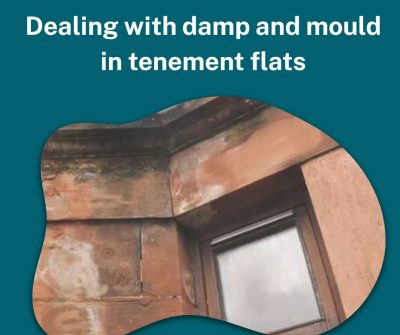
The Investigations and Commencement of Repair (Scotland) Regulations 2026, come into force in Scotland on 6 October 2026. This means that landlords must investigate reports of damp and mould and start any repairs needed within set timescales.
Why is it being introduced?
It is a set of regulations for the implementation of ‘Awaab’s Law’ which is named after Awaab Ishak, a two-year-old who tragically died in 2020 after prolonged exposure to mould in his home in England. His death led to significant changes in housing policy across the UK.
What do the changes mean?
From 6 October 2026, private landlords in Scotland will be required to investigate reports of damp and mould within 10 working days, produce a written summary of investigation findings within three working days and begin any required repairs within five working days of an investigation having taken place.

What letting agents need to do
Letting agents will play a key role in ensuring compliance on behalf of landlords and should begin preparing now by embedding clear processes.
Where a tenant reports damp or mould, or the agent or landlord becomes aware of it, the following steps will be required:
- Investigate within 10 working days
Ensure the issue is assessed by a competent person to determine the presence, cause, and severity of damp or mould, and whether any safety work is required. - Provide a written summary within three working days of the investigation
Supply the tenant with clear written findings, outlining the outcome of the inspection and any next steps. - Start repairs within five working days where required
Where hazards are identified, ensure that remedial works are commenced promptly. If these timescales cannot be met due to circumstances beyond control, agents must:
- Inform the tenant in writing, explaining the delay and providing a revised timeframe
- Take reasonable steps to minimise the impact of damp or mould in the meantime
In practice, this means letting agents should:
- Maintain clear audit trails of reports, inspections, communications, and works
- Ensure access to qualified contractors or surveyors
- Proactively advise landlords on their legal responsibilities
- Review internal systems to ensure deadlines are tracked and met
What work has Propertymark done on its members’ behalf?
Propertymark has been actively engaging with both the Scottish and UK Government as requirements develop across different housing systems.
Propertymark is also part of the Scottish Government’s ‘Awaab’s Law: Damp & Mould – Guidance – Stakeholder Group’ to develop guidance for professionals moving forward.
The organisation has raised several practical considerations with MSPs, including:
- The need for a standardised reporting format to reduce disputes
- Access to qualified specialists within required timescales
- Supply chain pressures, particularly in rural and island communities
Propertymark’s position is that strong tenant protections must be supported by realistic implementation, clear guidance, and practical support for landlords and agents.
How is Propertymark supporting its members?
These proposed regulations reinforce the importance of robust property management practices, particularly around housing conditions and tenant communication.
To support members in preparing for the new requirements, Propertymark provides:
- Repairing Standard, damp, condensation, and mould fact sheets
- Practical guidance on identifying causes of damp and managing tenant reports
- Training focused on housing conditions and legal responsibilities
Propertymark will continue to update its members as the Scottish Government progresses the regulations, issues supporting guidance, and confirms final implementation arrangements. The Scottish Government are working to publish guidance by the end of summer 2026.