Keeping rental properties attractive without overspending is a constant balancing act for landlords. Tenants want homes that feel modern and well cared for, while landlords need upgrades that are affordable, durable, and easy to maintain. DIY wall panelling has become a popular solution because it ticks all of those boxes.
Done correctly, wall panelling can dramatically improve how a property looks and feels, without the cost or disruption of major renovations. It’s a simple upgrade that can help your property stand out, attract better tenants, and even justify higher rent.
Why wall panelling works so well in rental properties
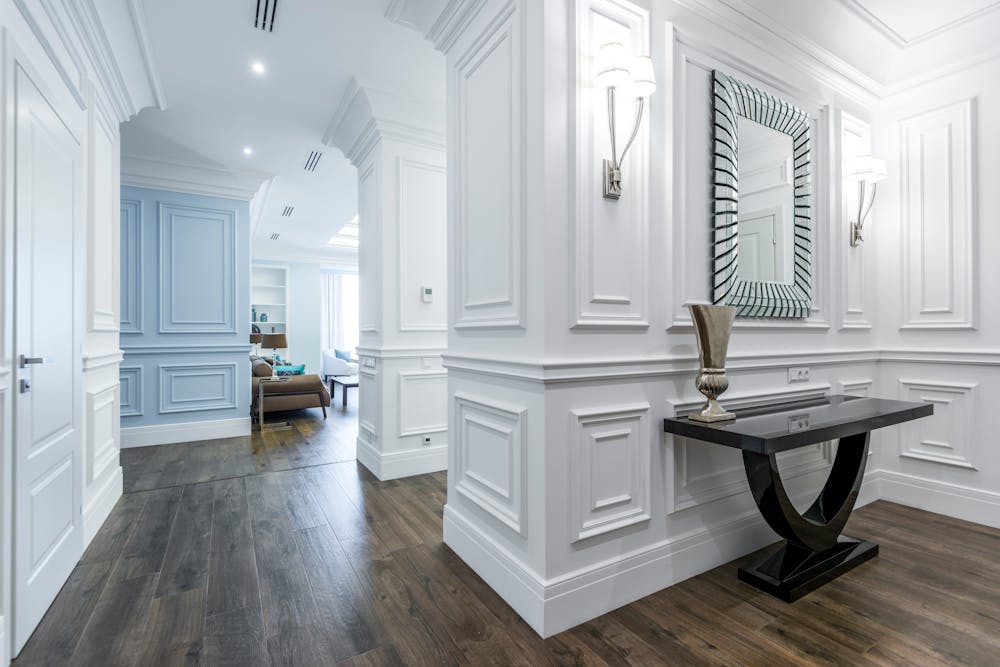
Wall panelling adds instant character to a space. Even the most basic room can feel more finished and polished once panelling is installed. For landlords, this is a big advantage, as it elevates the property without needing expensive fixtures or fittings.
It also helps protect walls from everyday wear and tear. Scuffs, marks, and minor dents are less noticeable on panelled walls, reducing maintenance between tenancies. In high-traffic areas like hallways and living rooms, this practical benefit is just as valuable as the visual upgrade.
Keeping costs low without cutting corners
The key to making wall panelling work as a landlord is choosing the right materials and approach. You don’t need bespoke joinery or specialist trades to achieve a smart result.
Simple MDF profiles and panelling strips are affordable, widely available, and easy to work with. They can be cut to size, fixed with adhesive, and painted to match the rest of the room. This makes them ideal for DIY projects, even if you don’t have advanced skills.
Sticking to straightforward designs such as shaker-style or vertical panelling keeps labour and material costs down while still delivering a modern look.
Where panelling makes the biggest impact
Not every wall needs panelling to achieve results. Targeting the right areas helps maximise impact without unnecessary expense.
Living rooms benefit from feature walls behind sofas or TVs, adding depth without overwhelming the space. Hallways and staircases are also excellent candidates, as panelling adds interest to areas that are often overlooked. Bedrooms can feel more premium with a panelled headboard wall, which appeals strongly to tenants.
Focusing on these key areas allows you to improve the overall feel of the property without over-investing.
DIY installation: what landlords should know
One of the biggest advantages of wall panelling is how DIY-friendly it is. Most designs require only basic tools such as a spirit level, adhesive, and a saw.
Preparation is essential. Walls should be clean, dry, and smooth before installation. Careful measuring and marking ensure panels are evenly spaced and aligned, which makes a huge difference to the finished look.
Once installed, painting the panelling in a neutral, durable colour helps it appeal to a wide range of tenants and makes future touch-ups easy.
Choosing finishes that appeal to tenants
Neutral finishes are always the safest option in rental properties. Soft whites, warm greys, and muted tones feel modern without being too personal. These colours also help reflect light, making rooms feel brighter and more spacious.
Avoid overly bold colours or complex designs that may not suit everyone’s taste. The goal is to create a clean, attractive backdrop that tenants can easily make their own.
Maintenance and longevity
Wall panelling is relatively low maintenance, especially when painted with a hard-wearing, wipeable finish. Minor scuffs can usually be touched up quickly, saving time and money during property turnovers.
Because panelling is fixed to the wall, it’s also less likely to be damaged than freestanding decorative features. This makes it a practical long-term upgrade rather than a short-lived trend.
A smart upgrade with real returns
For landlords looking to improve their properties without overspending, DIY wall panelling is a smart choice. It enhances visual appeal, protects walls, and helps properties feel more premium, all at a relatively low cost.
When done thoughtfully, this simple upgrade can make a strong impression on prospective tenants and improve the overall value of your rental. Sometimes, it’s the smallest changes that deliver the biggest returns.