Scottish summers don’t often hit scorching temperatures, but when they do, as recent heatwaves have reached further northwards, traditional rental properties can feel stifling. When tenants raise the possibility of air conditioning (AC), landlords may understandably need to consider factors such as installation costs, potential disruption, impact on the property and ongoing maintenance requirements.
Understanding your rights in a private residential tenancy can help frame these conversations, but many landlords simply aren’t willing to approve permanent cooling systems. Whether they view it as unnecessary, too invasive, or simply too expensive, the good news is that you’re not left without options.
What are portable AC units?
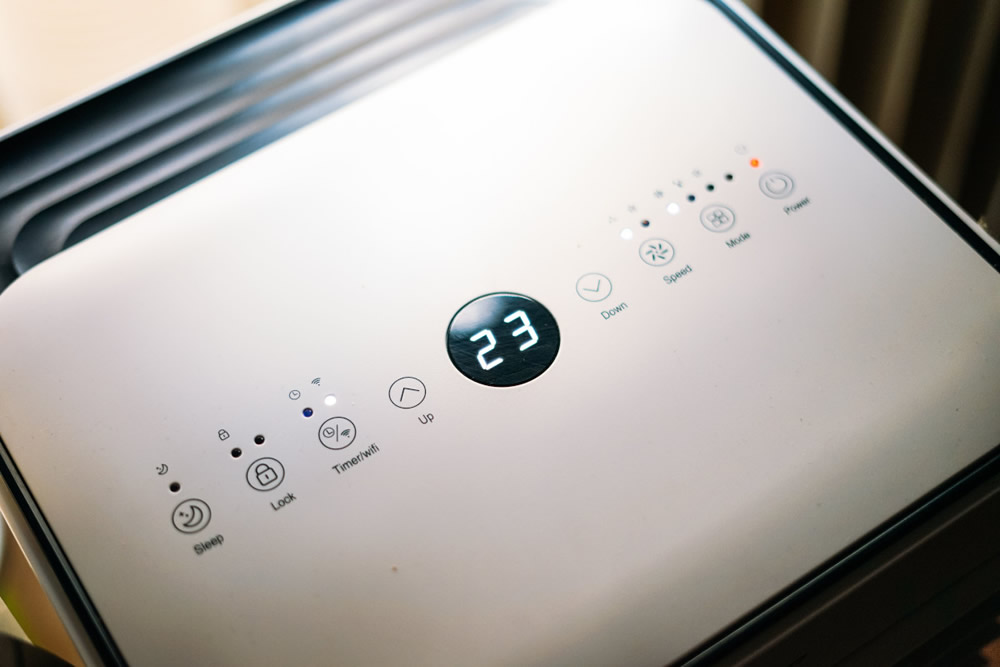
Portable ACs are freestanding units that work differently from the wall-mounted systems landlords worry about. They don’t require installation, modification to your walls, electrical work, or structural changes. Instead, they sit on the floor or a windowsill, pull in warm air from the room, cool it, and exhaust the warm air back outside through a hose that vents through a window or vent opening. Setup takes minutes, not days, and when you move out, you take the unit with you.
Given they are temporary and non-invasive, portable units sidestep the main landlord concerns: your property stays undamaged, there’s no permanent installation risk, and the tenant can remove everything when the lease ends. If you’re renting and want cooling without needing your landlord’s approval, this is the approach that actually works.
Why portable AC matters for renters
Portable cooling offers something genuinely useful for Scottish tenants. You can deploy it only during the weeks you actually need it, store it away during winter, and move it between rooms depending on where you spend your time. If you relocate to a new rental, you can take it with you. Unlike permanent installations, there’s no capital investment from your landlord and no long-term commitment.
For renters who have explored their options through existing guidance on tenant rights and landlord responsibilities, the portable option often emerges as the only practical, realistic path forward.
Sizing and costs; what to actually expect
The units are measured in BTU (British Thermal Units), which essentially indicates cooling power. A small bedroom or office might need 12,000 BTU, while a larger living room or open plan space might need 18,000 BTU or higher. Bigger is generally better for tenants because you’re using it seasonally and want it to work reliably when temperatures spike.
Costs can vary with basic consumer models from DIY stores starting around £300 to £500. However, these can often be noisy, less efficient, and built to be more temporary. If you want a unit that actually delivers when temperatures spike, commercial-grade portable air conditioning units solve the problem of unreliable or underpowered cooling. Suppliers like Climachill specialise in units built for genuine seasonal use, delivering consistent performance across an entire summer and typically costing £800 to £1,500 depending on capacity. Yes, that’s a real investment for a tenant, but it’s significantly less than the price of permanent installation and you own the unit outright.
Running costs depend on the unit’s efficiency and how often you use it. Most modern portable AC units use between 0.7 and 1.5 kW of electricity when running. So a unit in action for 8 hours a day during a hot week, would equate to roughly £3 to £5 extra on your energy bill for that week. Energy efficiency matters here, so look for units with good ratings if you’re concerned about running costs.
Practical considerations for rentals
Before you buy, consider where the unit will be placed, as it will need to sit on a stable, level floor with space around it for airflow. The exhaust hose needs a window or vent opening, and you can’t block your escape routes or landlord access. Most rental leases allow you to put something in a window temporarily during summer and, most importantly, you must make sure you can remove all traces when you leave.
Water management is worth understanding too. Portable AC units generate condensation as they cool the air. Most modern units recycle this water internally through a self-evaporative system, but on very humid or very hot days, you might need to manually empty a small internal tank. It’s not complicated, but it’s worth knowing upfront.
Noise is a further practical factor. Portable units are louder than wall-mounted systems (typically 45 to 60 decibels), so if you live in a flat with shared walls, your neighbours will know you’re running it. This matters less for everyone if you’re only using it during the day or early evening.
Energy and your bills
It’s worth understanding how portable cooling affects your energy use and fuel bills. Many modern units are reasonably efficient, moving heat rather than generating it, which is why they use less energy than you might expect. However, it is important to check the energy efficiency rating before you buy.
Similarly, running an AC unit does add to your consumption, which is a real consideration if you’re already stretched on energy costs. If you want to understand more about energy efficiency in rental properties and support available to tenants, the Scottish Government’s policies on energy efficiency in homes cover practical steps you can take to reduce your overall energy costs alongside any cooling choices you make.
Making the choice
Portable AC isn’t a perfect solution for every renter. The upfront cost is real, they take up floor space, and they’re not as powerful as permanent systems. However, for Scottish tenants who face summer heat in their property and don’t have landlord support for permanent cooling, they’re often the most realistic option available.
The choice ultimately comes down to your comfort, the investment you are willing to make and the suitability your rental setup allows for a successful, workable option. If the answer to all this is positive, you’ve found a practical path forward that works within the constraints of renting.