Modern life rarely pauses, and even the most organised days can feel overstimulating. This makes the home—whether rented or owned—more than a place to sleep or work; it becomes a vital buffer for the nervous system. For tenants, a well-designed interior can lower stress, encourage steadier emotions, and create a sense of ease that lingers long after stepping through the door. Landlords who thoughtfully furnish or style their properties can also enhance tenant satisfaction and wellbeing, helping a space feel like a gentle, supportive sanctuary rather than just a place to stay.
Why interiors affect the nervous system
The nervous system responds constantly to its surroundings. Bright lights, clutter, noise, and hard, cold surfaces push the body into a low-grade state of alertness. Conversely, softer colours, natural textures, and rhythmic patterns offer cues of safety. This is why biophilic influences feel so comforting. Evolution has shaped humans to respond positively to organic forms, muted palettes, and materials that echo the outdoors. A living room with warm timber accents, soft woven textiles, and lightly toned flooring often feels more grounding than a stark, high-contrast scheme. Tenants often report feeling more at ease in such thoughtfully designed spaces, while landlords can use these principles to make their properties more appealing on viewings.
Softening the palette
Colour sets the tone of a room long before furniture is noticed. For a space designed to support the nervous system, gentler hues usually work best. Warm neutrals such as creamy beige, subdued clay, or whisper-soft greens evoke grounded calm, while cooler tones like misty blue or muted lavender offer a quiet, restorative quality without feeling cold. Layering these colours also helps: walls might sit in a soft neutral while cushions, throws, and art bring slightly deeper shades. Even flooring plays a subtle role: pale stone, light oak herringbone, or soft-grey finishes create visual softness that reduces sensory strain. Landlords can consider these palettes when staging properties, while tenants can add accents to personalise rented spaces without major renovations.
The unsung hero of relaxing design
Texture has a powerful tactile and psychological impact. Smooth, glossy surfaces can feel sharp and overstimulating when overused, while a mix of natural textures brings warmth and reassurance. Woollen throws, linen curtains, matte ceramics, and timber furniture help regulate the sensory landscape of a room. Flooring with a gentle grain or a soft underfoot feel, paired with a natural-fibre rug, offers a grounding effect similar to walking outdoors. When textures are layered thoughtfully, the overall atmosphere becomes more nurturing. Tenants can easily introduce these elements through soft furnishings, while landlords can strategically select finishes that make the property feel inviting and comforting.
Lighting that supports nervous-system softness
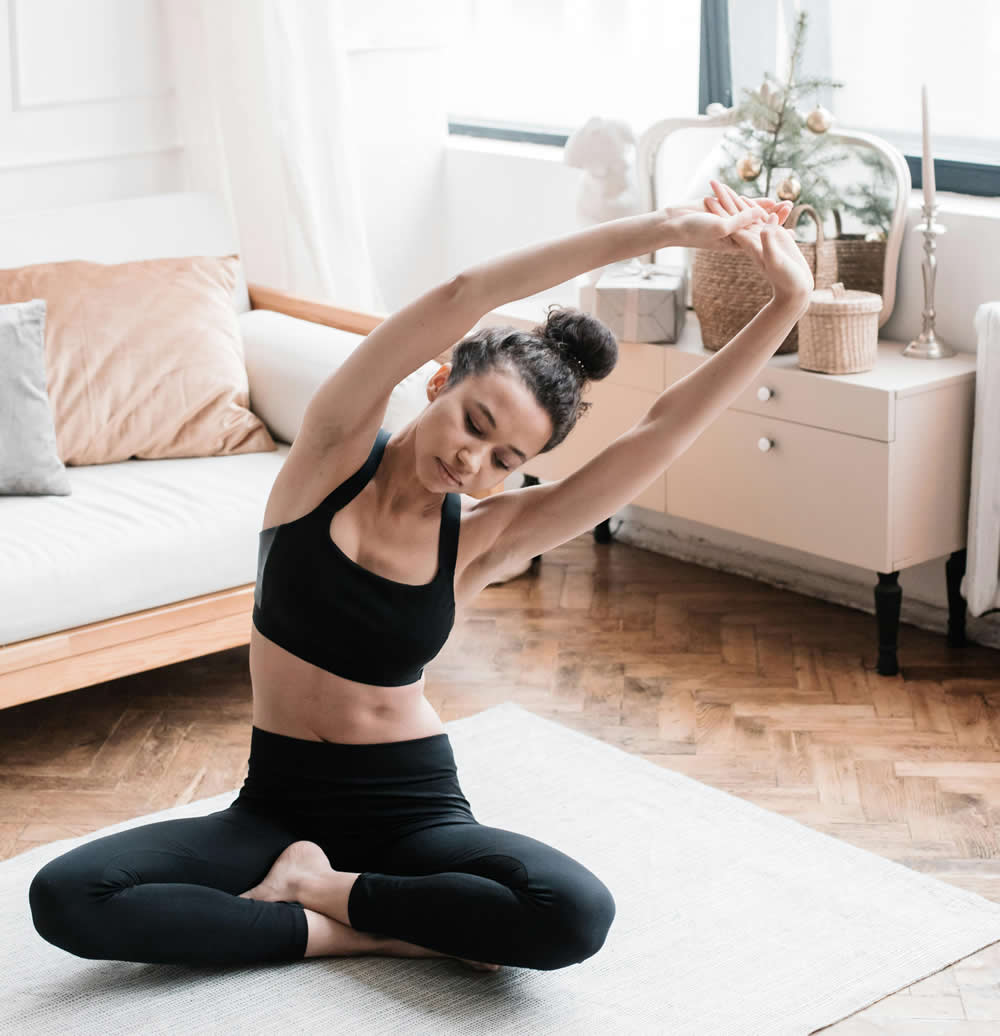
Harsh lighting is one of the quickest ways to activate a stress response. Bright overhead lights, overly white bulbs, and stark shadows can leave a space feeling tense. A layered lighting plan is far more soothing. Soft ambient lighting forms the base, with table lamps, floor lamps, or wall sconces offering pockets of warmth and intimacy. Warm-toned bulbs, dimmers, and strategically placed lights help mimic natural daylight rhythms. Picture a quiet evening scene: muted lamps glowing softly against a natural-toned wall with light bouncing gently off parquet flooring. Landlords can highlight such features during property viewings, while tenants can experiment with small, portable lighting solutions to create calm in their own spaces.
Bringing nature indoors
Biophilic design isn’t just aesthetic; it genuinely supports physiological well-being. Plants improve air quality, but more importantly, they create a visual and emotional connection to nature. A cluster of leafy greens in a dining nook or a trailing plant near a bedroom window introduces movement, softness, and life. Natural materials reinforce this calming connection. Think rattan, jute, clay, wool, and warm-toned woods. Even small touches like stoneware vases or handwoven baskets add to the sense of organic harmony. Flooring in natural finishes complements these materials, anchoring the room with an earthy feel. Landlords can include greenery or natural accents to make a property feel more homely, and tenants can personalise their rented space similarly.
Reducing sensory noise
Visual clutter sends micro-signals of chaos to the brain. Streamlining surfaces, choosing closed storage, and curating accessories all help maintain a sense of clarity. Sound also matters: soft furnishings help absorb noise, and rugs, upholstered seating, and curtains create a quieter, more serene acoustic profile. Even small tweaks, like felt pads on chair legs or a fabric-lined basket for odds and ends, contribute to a gentler sensory experience. These adjustments are easy for tenants to implement and can make a rental property feel like a peaceful retreat.
Is it worthwhile?
Designing a space that nurtures the nervous system is less about following trends and more about creating an environment that feels safe, supportive, and deeply restorative. Small adjustments can completely shift the emotional tone of a room. A calmer home doesn’t just look beautiful, it changes how the body feels within it. For tenants, this can mean a home that truly supports wellbeing. For landlords, it can be a differentiator, helping properties feel more welcoming, memorable, and ultimately more attractive to prospective tenants.