When it comes to keeping the property in good condition and avoiding claims against the deposit, each room will have its own set of considerations. A good inventory will be organised room by room, so if you are a tenant, it is useful to refer to the check-in report and go through each room before you leave the property, ensuring everything is as close as possible to how it is listed in the report.
Kitchen
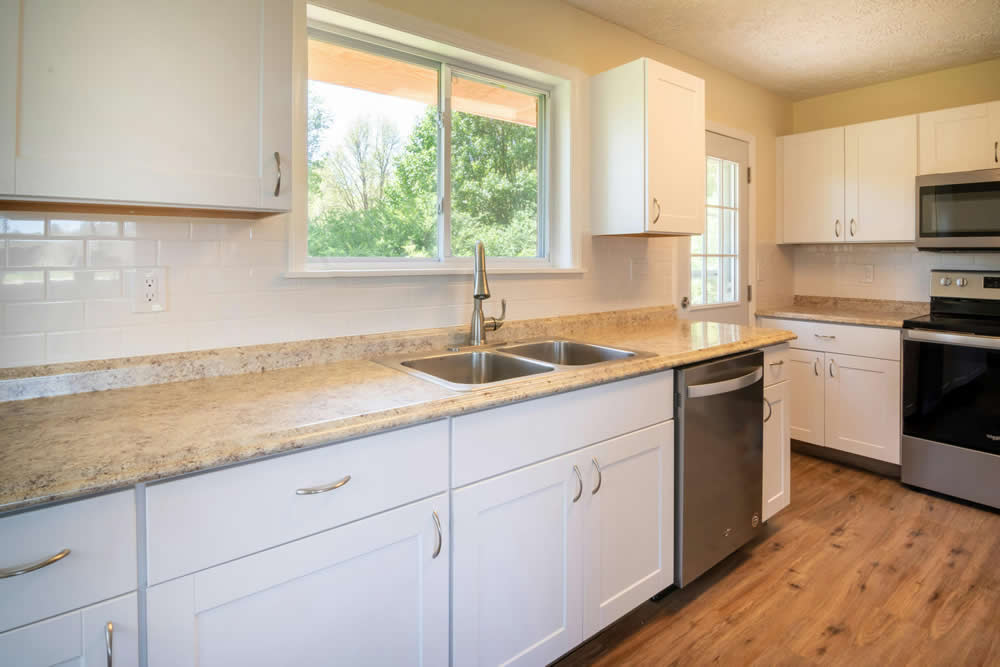
Kitchen cupboards and worktops are used daily, so some amount of wear and tear is to be expected. However, more extreme cases of damage like cupboard doors coming off their hinges, or large scratches and chips on the countertops that go beyond what is considered reasonable, may result in a claim being made for part of the deposit.
Cleanliness is also crucial, as cleaning claims are the most common cases seen by tenancy deposit scheme SafeDeposits Scotland. Ovens should be cleaned regularly (typically every 3-6 months) while dishwashers should have clean filters and proper use of salt and rinse aid. Fridges must be emptied and left free from food residue and odours at the end of the tenancy. It’s important to note that leaving items behind in the fridges or cupboards, even if done with good intentions, can lead to a cleaning claim. Any kitchenware provided at the start of the tenancy as indicated in the check-in report should also be present when the tenant leaves.
Living Room
The living room will typically be the most high-use space in the home, so some general wear and tear to furniture like sofas and chairs is to be expected. However, damage such as stains, or structural issues, may go beyond fair wear and tear, particularly if not reported early. The condition noted in the inventory at check-in will be key when addressing any issues, and different materials – such as fabric or leather – will wear differently over time.
Bedroom
Bedrooms should be clean and free from personal belongings at the end of the tenancy – watch out too for commonly overlooked areas like under the bed! Drawers and wardrobes should be emptied completely as any leftover items may lead to cleaning charges. Extra care should be taken with features like sliding wardrobe doors, as being too heavy-handed with them can damage the runners.
Bathroom
Bathrooms are prone to moisture, so preventing damp and mould is key. This can usually be managed by improving ventilation – open windows where possible and if there is an extractor fan, always use this during baths or showers. If the fan isn’t working, it should be reported promptly. Wiping down tiles, grout, and sealant after use can help reduce condensation, mould growth, and soap residue.
Taps, sinks and baths should be kept free from residue and limescale, and plugholes should be checked to ensure water drains properly and blockages, often caused by hair, are cleared. Toilets should also be cleaned regularly.
Universal Considerations
Some things are not tied to one specific room, but rather are universal considerations that will apply to most, if not all, rooms. Windows should be returned in the same condition as at the start of the tenancy, and any responsibilities for professional cleaning should be set out in the tenancy agreement. Lightbulbs should remain in working order if they were functional at the start of the tenancy, and any provided electronics in the property should be returned.